Payment Gateways connect merchants, customers, banks, and payment service providers to enable fast, secure, and efficient online transactions. One of the key considerations when choosing a Payment Gateway is the integration model, which is generally categorized into two main types: Hosted Payment Gateway and Integrated/On-site Payment Gateway. Each approach offers different benefits depending on business objectives, technical capabilities, and customer experience requirements.
What Is an Integrated Payment Gateway?
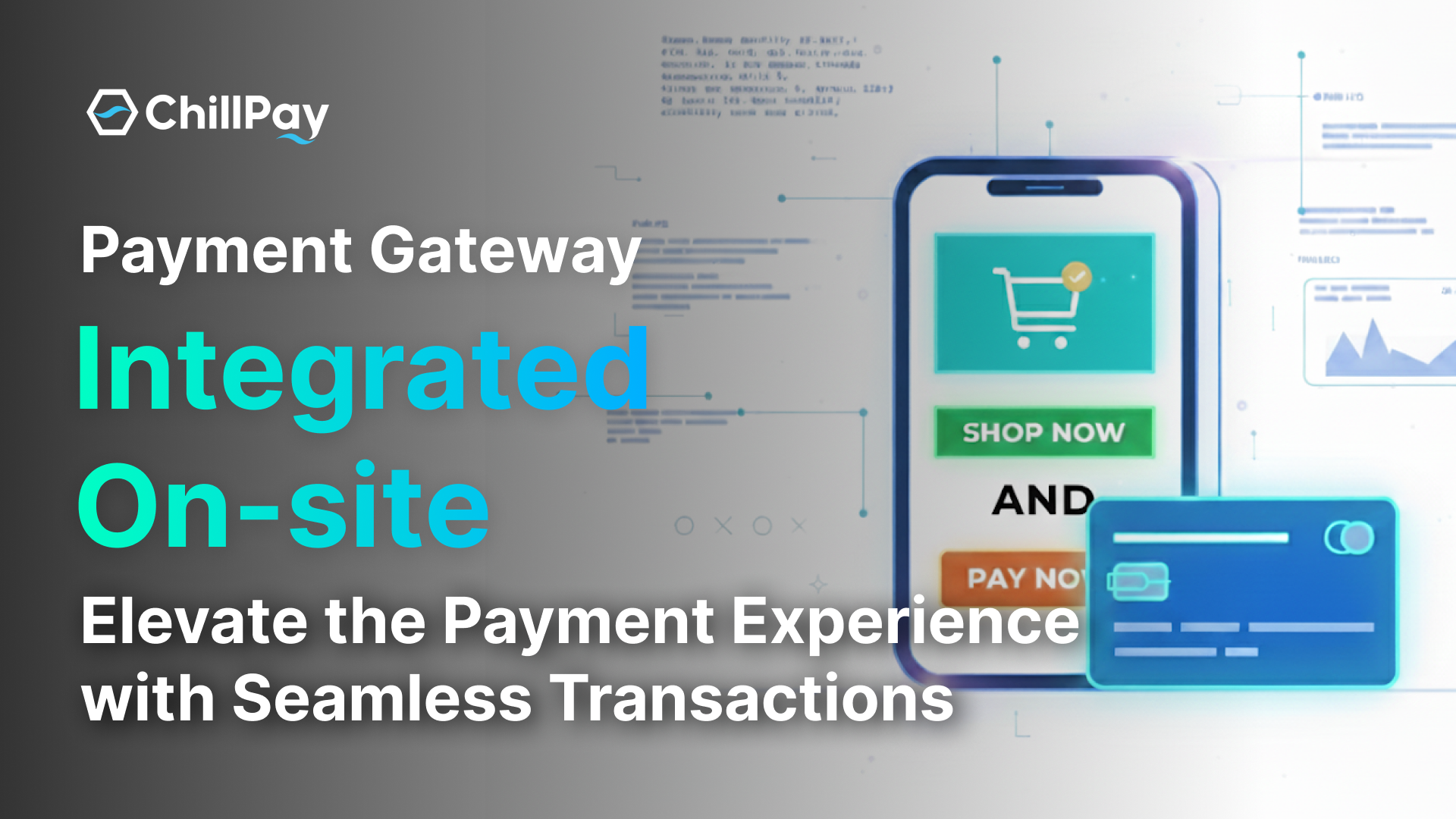
An Integrated/On-site Payment Gateway is widely regarded as the preferred option for businesses seeking to deliver a seamless and professional checkout experience. Unlike a Hosted Payment Gateway, where customers are redirected to an external payment page, an Integrated Payment Gateway allows customers to enter their payment details directly on the merchant’s website or application. Payment information is securely transmitted to the payment provider through APIs or embedded payment forms while maintaining the customer within the merchant’s digital environment.
The most significant advantage of an Integrated/On-site Payment Gateway is the ability to create a smooth and uninterrupted customer journey. Because users remain on the merchant’s website throughout the payment process, businesses can provide a consistent brand experience and reduce potential friction during checkout. This often helps improve customer trust, increase conversion rates, and reduce cart abandonment.
Another key benefit is the level of customization available. Merchants have complete control over the payment interface, allowing them to design payment pages that align with their brand identity, user experience goals, and business requirements. This flexibility is particularly valuable for businesses that want to optimize the checkout process or create a unique customer experience.
Modern payment platforms such as ChillPay support API-based payment integrations that enable businesses to build customized payment experiences while maintaining secure transaction processing. This allows merchants to accept payments through multiple channels while retaining control over the customer journey from product selection to payment confirmation.
Things to Consider Before Choosing an Integrated Payment Gateway
Despite these advantages, Integrated/On-site Payment Gateways require greater technical resources and security responsibilities. Businesses typically need a development team to implement and maintain API integrations, manage payment workflows, and ensure compatibility with their websites or applications.
Security is also a critical consideration. Because payment information is collected within the merchant’s environment, businesses must implement appropriate safeguards to protect sensitive customer data. This often includes compliance with PCI DSS (Payment Card Industry Data Security Standard), the globally recognized framework for securing cardholder information and reducing payment fraud risks.
As a result, Integrated/On-site Payment Gateways are generally best suited for medium-sized and large organizations that have the technical expertise and resources required to manage payment security and ongoing system maintenance. They are particularly beneficial for businesses that prioritize customer experience, brand consistency, and complete control over the payment process.
For companies focused on delivering a premium digital experience, an Integrated Payment Gateway offers a strategic advantage by combining convenience, customization, and seamless payment processing. When implemented correctly, it can strengthen customer confidence, support business growth, and create a competitive edge in an increasingly digital marketplace.
Key Benefits of an Integrated/On-site Payment Gateway
- Seamless checkout experience without customer redirection
- Greater control over payment page design and user experience
- Stronger brand consistency throughout the customer journey
- Potentially higher conversion rates and lower cart abandonment
- Flexible API-based integration with websites and applications
- Support for customized payment flows and business requirements
Potential Challenges
- Requires technical development and API integration
- Greater responsibility for payment security and compliance
- PCI DSS requirements may be more extensive
- Higher implementation and maintenance complexity