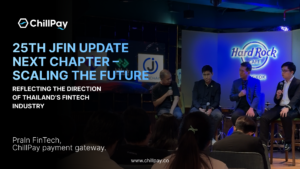
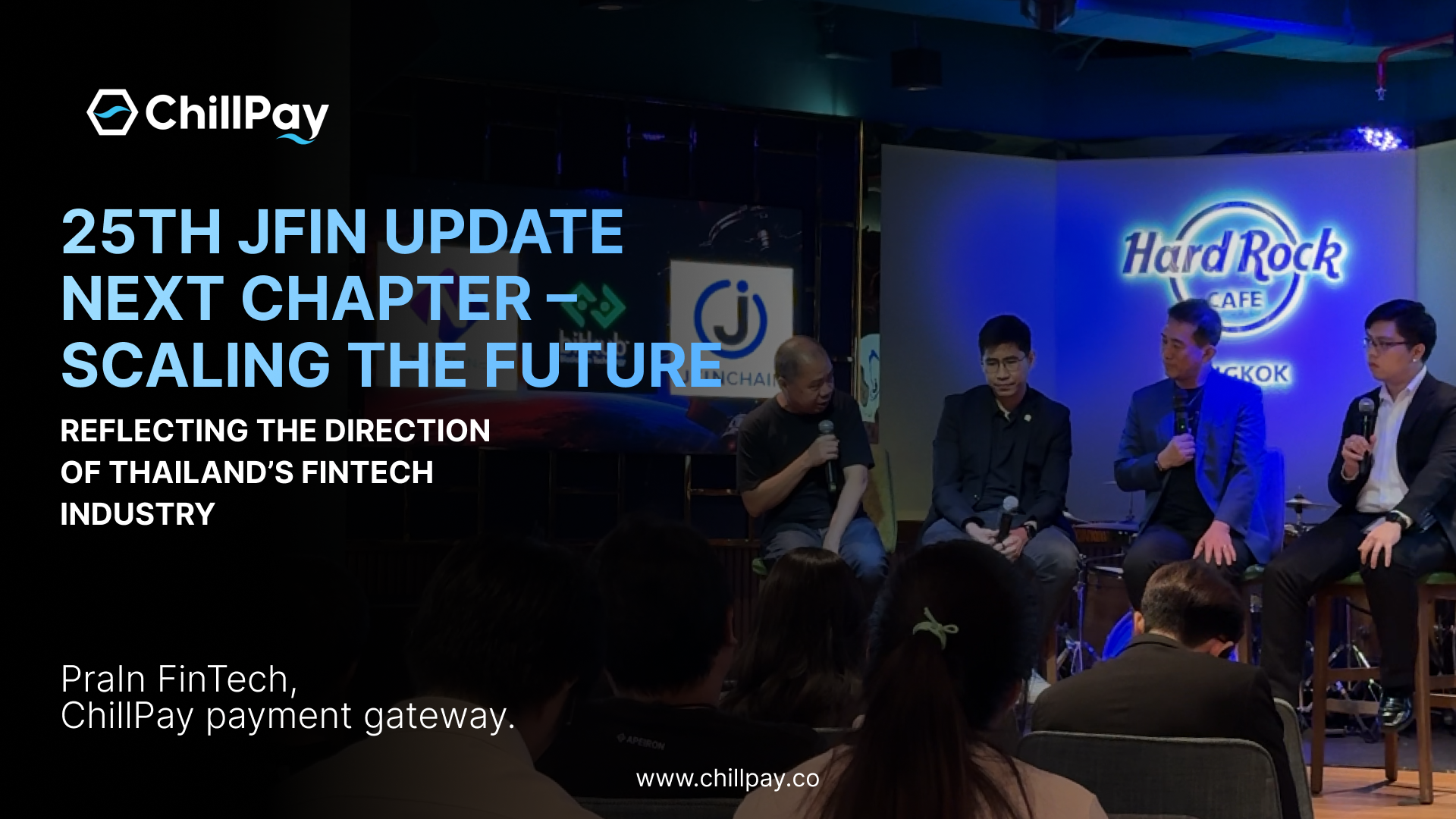
On August 25, 2026, J Ventures, a company under Jaymart Group and the developer of Thailand’s blockchain infrastructure JFIN Chain, held JFIN UPDATE 25 under the theme “Next Chapter – Scaling the Future.”
The event presented an overview of the achievements, developments, and performance of the JFIN Ecosystem, while highlighting the next stage of its development and the growing role of digital financial technology.
JFIN began with JFIN Coin in 2018 as the first ICO digital token launched by a Thai listed company. It later evolved into JFIN Chain, a blockchain infrastructure supporting NFT, Staking, Digital Wallet, and Digital Lending.
More recently, JFIN has expanded into Tokenization, bringing real-world assets into the digital ecosystem through the concept of Real World Assets (RWA).
The ecosystem also includes real-world use cases within Jaymart Group, such as J Point redemption and integration with financial services from KB J Capital.
What Does JFIN UPDATE 25 Reveal About the Future of Thai Fintech?
JFIN UPDATE 25 reflects how financial technology is expanding beyond traditional transactions. From blockchain infrastructure and digital assets to Tokenization, financial technology is creating new ways for assets, services, and transactions to connect within the digital economy.
This development also reflects the broader direction of Thailand’s fintech ecosystem, where different technologies are playing different roles across the financial landscape.
Blockchain infrastructure, digital assets, online payment systems, and other financial technologies may serve different purposes, but together they illustrate how financial services are becoming increasingly digital.
From Blockchain to Payment Gateway: Part of the Same Digital Finance Landscape
Although JFIN Chain focuses on blockchain and digital assets, while ChillPay operates as a Payment Gateway, both can be viewed as part of the broader transition of Thailand’s financial ecosystem toward digital technology.
Online payment services such as ChillPay support businesses in accepting digital payments from customers, while blockchain infrastructure such as JFIN Chain represents another layer of financial technology development.
While their functions are different, both demonstrate how technology is being applied to financial transactions and services in an increasingly digital environment.
For businesses, this transformation means access to a wider range of financial tools that can be selected according to different business models and requirements.
These may range from accepting online payments and managing digital transactions to exploring technologies related to blockchain and digital assets.
What Does the Growth of the Fintech Ecosystem Mean for Businesses?
As more players in Thailand’s fintech ecosystem continue to develop and scale their technologies, businesses are gaining more options for adopting digital financial tools.
For entrepreneurs, the key is not simply to follow every emerging technology, but to understand which technology is relevant to their actual business needs.
If the goal is to accept online payments, for example, a business may consider a Payment Gateway that connects with its sales channels and supports the payment methods preferred by its customers.
Meanwhile, technologies such as Blockchain and Tokenization demonstrate another direction in the development of digital financial infrastructure and assets.
The growth of the fintech ecosystem therefore does not mean that every business needs to adopt the same technology. Instead, it creates more options for entrepreneurs to select financial tools that fit their business models, customers, and future goals.
Ultimately, “Next Chapter – Scaling the Future” reflects more than the next stage of the JFIN Ecosystem. It also highlights the broader development of digital finance, where blockchain, Tokenization, digital assets, and payment technology continue to create new possibilities across Thailand’s financial landscape.